
VT01 and MOT station authorisation: direct answer
Direct answer. A business must obtain DVSA authorisation before operating an MOT testing station. The application concerns the applicant, the proposed site, equipment, roles and ability to meet the MOT scheme’s requirements; legal support can improve the preparation but cannot guarantee authorisation.
Client stage. Use this page when planning a new station, preparing a VT01 application, changing an authorised site or responding to a DVSA evidence or compliance issue.
- What must be shown: suitable premises and equipment, eligible people and roles, accurate business and site information, and readiness to comply with the MOT testing guide.
- Main process: define the proposed authorisation, audit the site and records, prepare the VT01 material, answer DVSA queries and address any inspection or corrective action.
- Key risk: inaccurate site details, premature commitments, unsuitable equipment or unresolved compliance history can delay or undermine the application.
Primary official source: GOV.UK: application to open an MOT test station.
Jurisdiction and review: Great Britain MOT authorisation; legal services are provided by an England and Wales SRA-regulated firm. Reviewed 25 August 2026 by Najma Ali, Principal Solicitor, NA Law Solicitors, SRA No. 645049.
MOT station legal support
VT01 Application Support for MOT Testing Centres
The current VT01 identifies a D2 solicitor’s letter for new-station and takeover routes, and for some changes where relevant. NA Law reviews the proposed Authorised Examiner entity, occupation right, permitted use, exclusive MOT areas and planning evidence before preparing any supported confirmation.

SRA No. 645049
Confirmed before work starts
Timetable confirmed in writing
London based, nationwide
When the VT01 Route Requires a D2 Letter
For a new station or takeover route, the current VT01 requires the solicitor to be able to support four distinct conclusions: an enforceable occupation right, the legal right to operate, exclusive use of the relevant MOT areas, and planning permission or lawful planning status. Some change applications require D2 only where relevant.
We review the legal position
We check the exact applicant entity, complete occupation documents, permitted use, exclusive areas and primary planning evidence before deciding whether the confirmation can safely be made.
We identify evidence gaps
If a required conclusion is unsupported, we explain the specific remedy and hold the letter rather than treating urgency as proof.
Still checking the documents? Read our VT01 evidence and solicitor-letter readiness guide.
Scope, Fees and D3 Drawings
The right scope depends on the application route, the documents already available and any evidence gap. We confirm the scope and fee in writing before work begins. See our dedicated fees page for the firm’s published fees.
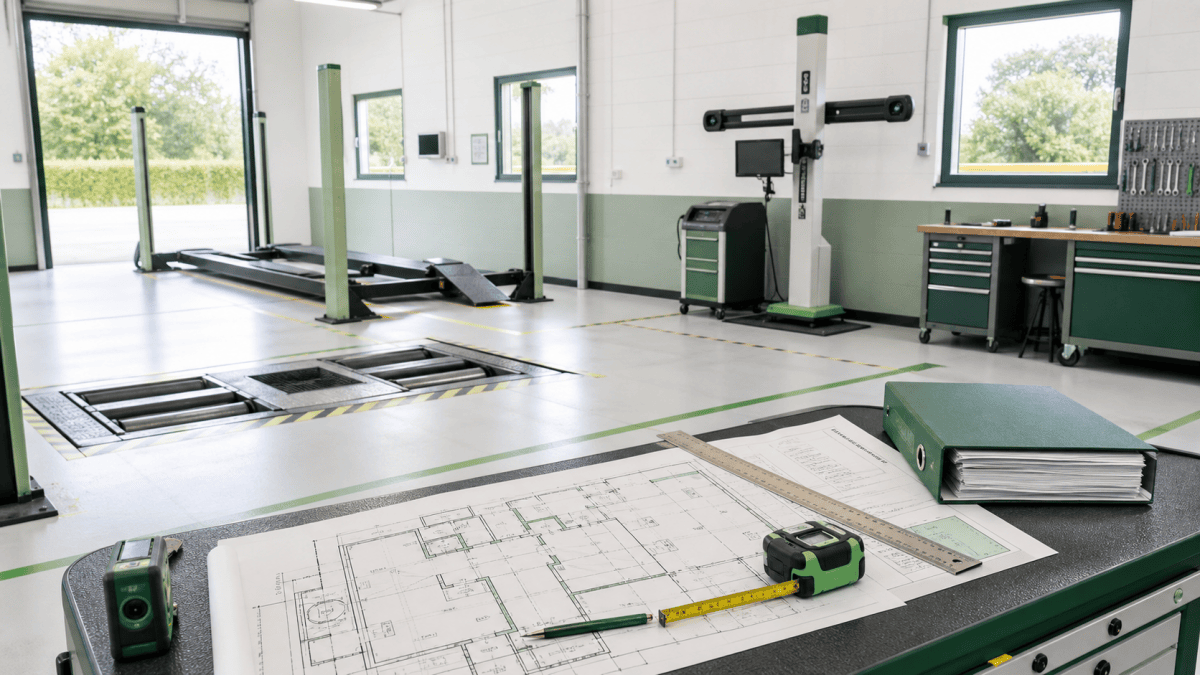
Where the current VT01 requires D3 drawings, NA Law can arrange CAD drawings through an independent technical specialist if this is included in the agreed scope. The provider is responsible for the measurements and drawings, and its separate charge will be identified and approved before commissioning. NA Law can coordinate the technical material with the legal and application documents, but DVSA decides whether the proposed premises and layout meet its requirements.
Send us your enquiry
Tell us what has happened and NA Law Solicitors will come back to you with the next step.
If you have a Home Office notice, DVSA letter or other document, mention it in the summary. We can request the document securely if needed.
By submitting the form, you agree that we may use your information to respond to your enquiry. See our privacy policy.
What We Need From You
- The exact application route and any DVSA request.
- The complete executed lease, rental agreement or ownership evidence.
- Primary planning decisions, approved plans, conditions and lawful-use evidence where relevant.
- Current layout information and any D3 drawing material required for the route.
- The exact legal entity that will be the Authorised Examiner.
Frequently Asked Questions
Does every VT01 application need a solicitor’s letter?
No. The current VT01 identifies D2 for new-station and takeover routes, but marks it as “if relevant” for some changes. The application type and the form in force when the application is prepared must be checked.
Where can I see the firm’s published VT01 fees?
Please see our dedicated fees page. The final scope and fee are confirmed in writing after the route and documents have been checked.
How long does the legal review take?
Timing depends on the route, document completeness, evidence gaps and any independent drawing work. We confirm the working timetable after the initial review. DVSA’s decision timetable cannot be guaranteed.
Can you help before I sign the lease?
Yes. Early review is often sensible because lease restrictions, planning use and bay access issues can be expensive to fix after you have committed to premises.
Need advice on this issue?
Send the short enquiry form on this page and we will come back to you with the next step.
Ready to Get Your VT01 Letter?
Call 0203 524 5439 or email admin@nalawsolicitors.co.uk. We will review the basic position, confirm the documents needed and give you a fixed-fee quote before you decide whether to proceed.
NA Law Solicitors | SRA No. 645049 | 8 Kew Bridge Rd, Brentford, TW8 0FD. This page provides general information only and is not legal advice on your specific premises or DVSA application.